Modeling resource consumption in the US air transportation system via minimum-cost percolation
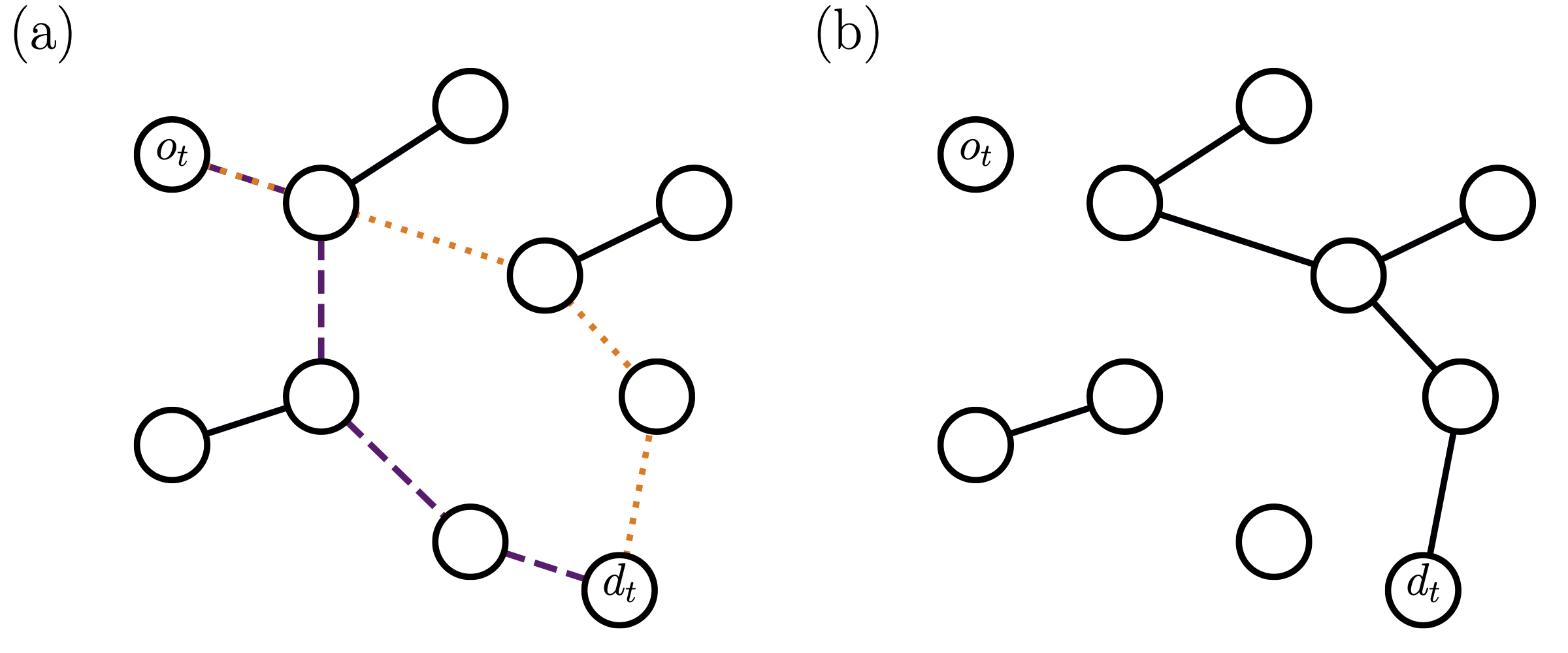
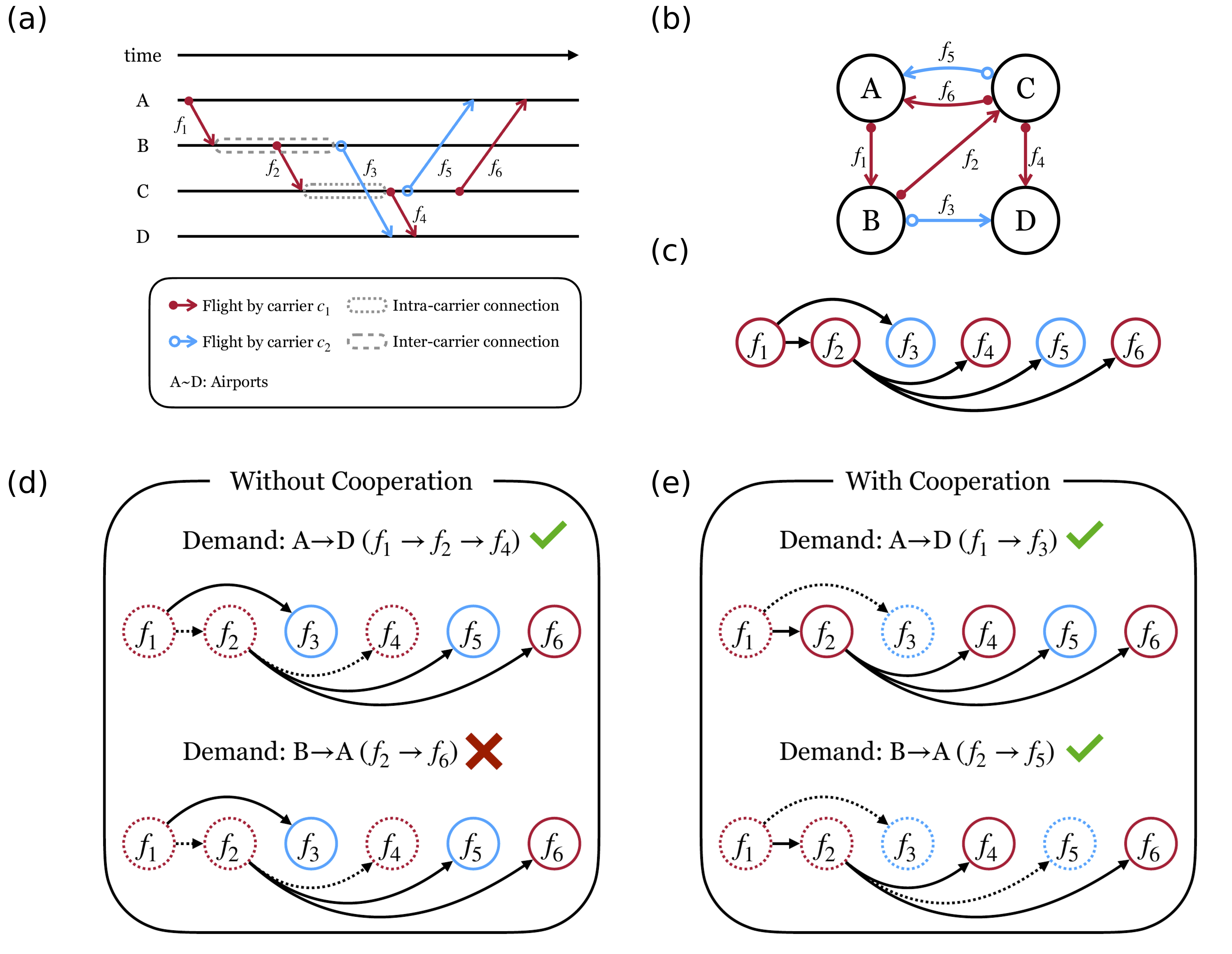
We present a dynamic percolation framework for studying resource depletion in transportation networks. Agents consume network edges along cost-optimal paths, causing the system to transition from functional to non-functional states. Applied to the US air transportation system, we find that unrestricted carrier cooperation could yield a 30% efficiency increase compared to the non-cooperative scenario.